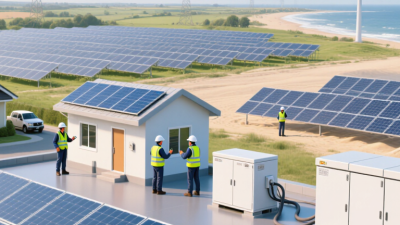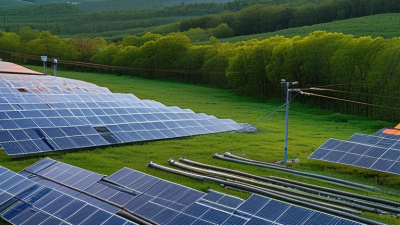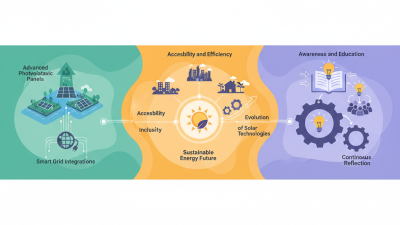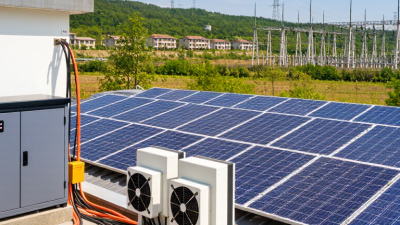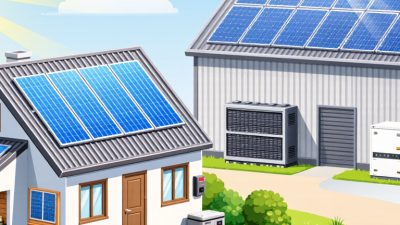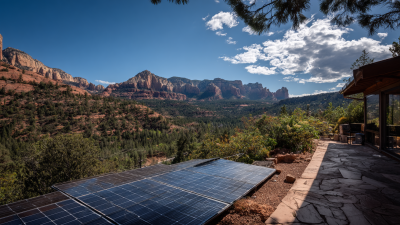
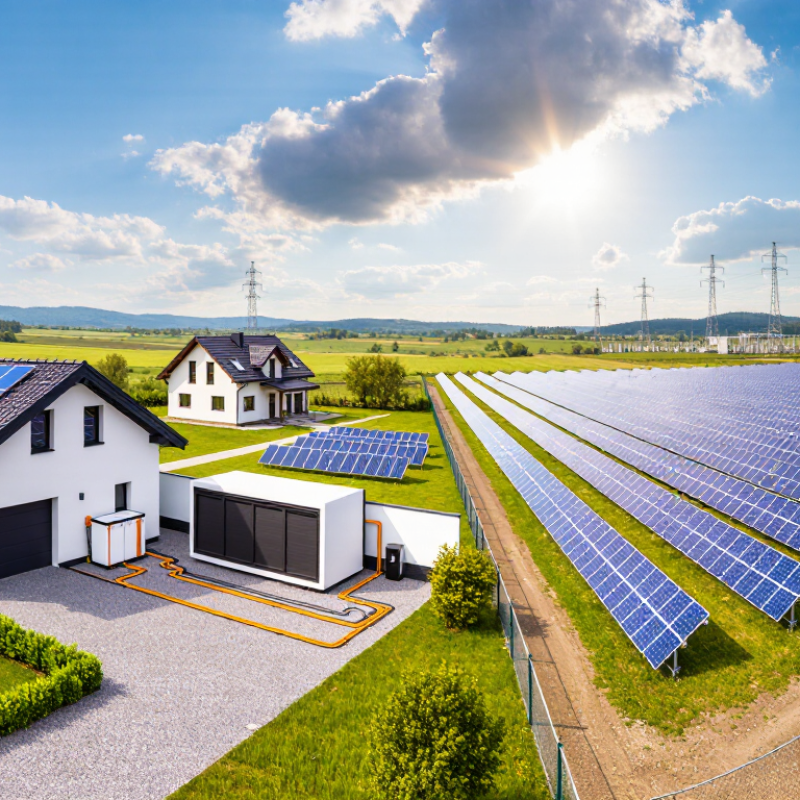
A high-performing solar power system is more than a panel array. It is a coordinated set of modules, an inverter, mounting hardware, wiring, protection devices, and optional storage. Each part affects energy yield and safety. Module efficiency matters, but real output also depends on orientation, tilt, shade, dust, and roof temperature. A small shadow across one row can reduce production more than a brochure suggests. Field measurements are essential.
The inverter deserves careful attention because it converts direct current into usable alternating current. Review its conversion efficiency, operating range, surge capacity, and monitoring accuracy. A battery system adds another layer. Compare usable capacity, round-trip efficiency, charging limits, and expected cycle life.
A large battery may look impressive, yet it can remain partly idle for much of the year. Not always worthwhile. System sizing should follow hourly consumption, not a single monthly bill.
Reliable evaluation combines design documents with measured performance. Compare predicted yield with meter data after several seasons, and investigate unexplained gaps. Check cable routing, ventilation, drainage, fasteners, and accessible shutoff points. Qualified installation should follow applicable electrical and structural requirements, with clear maintenance records. I would also question optimistic estimates that ignore winter losses or future shading. Models simplify reality. That weakness matters. The strongest system is not necessarily the most powerful; it is the one that delivers stable output, supports safe maintenance, and matches the household’s actual load.