Choosing among solar system providers is not just a price comparison. A quote may look attractive while leaving out roof conditions, equipment details, or the assumptions behind its energy estimate. A careful provider should inspect your roof, review recent electricity bills, and explain how shade, panel orientation, and seasonal weather affect expected production. Ask for the panel and inverter models, installation scope, workmanship coverage, and a clear breakdown of costs. Specific answers matter. So does a written proposal you can review at home.
Energy-efficiency expert Amory Lovins is widely associated with the phrase, “The best energy is the energy you don’t use.” That principle is useful when evaluating a proposed system: a trustworthy provider should discuss efficiency improvements and realistic system sizing, not simply recommend more panels. Compare at least a few proposals, and check whether each uses similar assumptions. Look for monitoring access and a clear process for service calls. Ask who performs the installation, too; the salesperson may not be the crew on your roof. Even then, comparisons are imperfect. Roof layouts differ, and production estimates are forecasts, not promises. I would be cautious of any pitch that treats them as guarantees. The right choice is a provider that explains trade-offs plainly, welcomes questions, and gives you enough detail to make an informed decision.
Before comparing solar offers, record twelve months of electricity use from your bills. Note seasonal spikes, such as air conditioning in July or electric heating in winter. The U.S. Energy Information Administration reported average household electricity use of about 10,791 kWh in 2022. That is context, not a design target. Your own usage matters more.
Separate current needs from planned changes. An electric vehicle, heat pump, or growing household can shift consumption substantially. Lawrence Berkeley National Laboratory’s Tracking the Sun 2024 report put the median U.S. residential solar system at roughly 7.4 kW in 2023. Use that as a market reference, not a sizing rule. Roof direction, shade, and local weather affect output. A shaded chimney can matter more than a large, sunny roof section.
Define your goal clearly. Lowering annual bills, using more power during daylight, and keeping essential loads running during outages require different system designs. Ask providers to show estimated monthly production beside your monthly usage, and explain their assumptions. A grid-connected system may not power your home during an outage without suitable storage and equipment. Estimates are imperfect; even careful bills may hide future changes. Bring your interval data, if available, and ask how each proposal handles cloudy weeks and evening demand.
A solar provider’s credentials should be easy to verify. Ask for proof. Check relevant electrical and solar qualifications, required local registrations, and insurance. Ask who will design and install the system, and whether subcontractors are involved. The person who explains the proposal may not be the person on your roof. Request a written scope that lists equipment, estimated production, installation steps, and warranty responsibilities. Details matter.
Experience is most useful when it matches your property and conditions. Ask how many systems the provider has installed in your area, and request references from projects with similar roofs. A steep roof, older wiring, or afternoon shade can change the design. Local expertise also includes knowing typical weather patterns, utility connection procedures, and the permitting process. Ask the provider to explain how those factors shaped the proposed system, rather than relying on a generic estimate.
Notice how clearly the provider discusses uncertainty. Production estimates are not guarantees; assumptions about shade, household use, and future energy prices should be stated plainly. A polished presentation can feel reassuring, but it is not proof of careful work. Compare written proposals and ask the same questions of each provider. Even a thorough check cannot remove every uncertainty, and I would be cautious of anyone who claims otherwise.
| Assessment area | What to check | Good evidence | Warning signs |
|---|---|---|---|
| Licensing and credentials | Confirm that the contractor holds the licenses and registrations required for solar and electrical work in your jurisdiction. Check whether any professional certifications are relevant to the work proposed. | License details that can be verified with the relevant local or state authority; clear identification of who will perform the electrical and installation work. Voluntary certifications may demonstrate additional training but do not replace legally required licenses. | Unverifiable license claims, uncertainty about subcontractors, or a suggestion that a voluntary certification replaces permits or required licensing. |
| Installation experience | Ask about completed projects similar to yours in system type, roof construction, and project complexity. Request references and ask how installation issues are handled. | Relevant project examples, references you can contact, and a clear explanation of the provider’s role in design, installation, inspection, and follow-up. | Claims of extensive experience without relevant examples, unclear responsibility for installation, or pressure to proceed without checking references. |
| Local expertise | Ask how the provider accounts for local building and electrical requirements, permitting, utility interconnection, weather exposure, and available incentives. | A project process that identifies applicable permits and utility steps, explains site-specific design choices, and directs you to current official sources for incentive eligibility. | Promises of guaranteed incentives or approval, or a proposal that overlooks local permitting and utility requirements. |
| Site assessment and system design | Review how the proposal evaluates roof condition, orientation, shading, usable area, electricity use, and any planned changes in consumption. | A site-specific design and production estimate that states its assumptions, including shading and system size, and explains how actual results may differ. | A production guarantee presented without stated assumptions, or a system size recommended without reviewing the property and electricity usage. |
| Proposal and contract clarity | Compare the system specifications, total price, payment schedule, estimated timeline, exclusions, and responsibilities across written proposals. | An itemized written proposal describing equipment categories, installation scope, fees, expected milestones, and the process for handling changes. | Vague scope, unexplained charges, important terms provided only verbally, or pressure to sign before reviewing the contract. |
| Warranties and service | Check product, performance, and workmanship warranty terms separately. Confirm who provides each warranty and how to request service. | Written warranty documents with coverage periods, exclusions, claim procedures, and clear contact details for the responsible provider or manufacturer. | Unclear warranty responsibility, verbal assurances that differ from the written terms, or no stated process for service after installation. |
When comparing solar proposals, look beyond panel wattage. Ask for a roof layout showing panel count, orientation, tilt, and any shaded areas. A design that leaves a clear path around vents may produce less power than a tightly packed array, but it can be easier to maintain. Check whether the proposal uses string inverters, microinverters, or optimizers, and ask how each handles shade and equipment failure. No design wins on every roof. Small details matter.
Compare expected annual production using the same assumptions. NREL’s PVWatts tool models output with location, system size, tilt, orientation, and estimated losses. Ask each provider to show those inputs, not just a headline kilowatt-hour figure. The figure is an estimate. Roof shade, dust, and weather can shift real results. NREL’s review of photovoltaic degradation studies found a median decline near 0.5% per year, useful context when assessing long-term projections. Ask whether the quote accounts for gradual output loss and includes a year-by-year estimate.
Equipment warranties deserve a close read. Separate panel performance coverage from product coverage, and check inverter replacement terms, labor, and shipping. A long warranty sounds reassuring, but service delays can still matter. Request the model numbers and datasheets for every major component. Then compare total system cost against estimated production over time, not panel count alone. I would also ask what happens if the installer’s assumptions prove optimistic. That answer can be revealing.
When comparing solar proposals, start with the cash price and system size, not the monthly payment. Lawrence Berkeley National Laboratory’s Tracking the Sun 2024 report placed the median residential installed price near $3.2 per watt for systems installed in 2023. Use that as a rough reference, not a guaranteed local rate: roof condition, equipment, and project scope change the final figure. Ask for an itemized quote showing panels, inverter, installation, permits, and any add-on fees. Small print matters.
Financing can make a higher-priced system look affordable. Compare the total paid over the loan term, including dealer fees, interest, and any required down payment. For a lease or power-purchase agreement, check annual payment increases and who handles repairs. Read the contract for production estimates, cancellation terms, roof work, and what happens if you sell the home. Get warranty coverage in writing for equipment, workmanship, and roof penetrations; note who actually performs service. A long warranty is less reassuring if the provider’s service process is vague. I’d also compare the promised output with your recent utility bills, not an idealized estimate. One overlooked detail can cost more than a slightly higher quote.
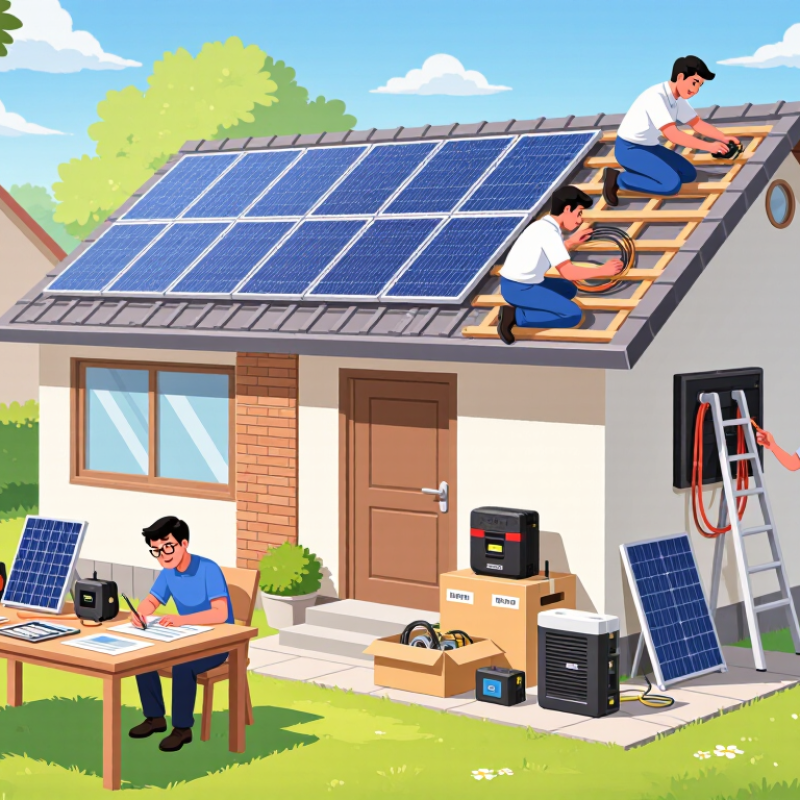
A solar proposal should explain how the system will be installed, not just how much electricity it may produce. Ask for the installation standard, equipment layout, and details for roof attachments, flashing, wiring, grounding, and weather sealing. Clear answers matter. Request examples of recent projects with similar roofs, and check whether the provider will arrange permits and inspections. Permit steps vary by location, so confirm responsibilities with the relevant local office. Do not assume “handled” means every document is included.
Ongoing support deserves the same scrutiny as installation. Ask who responds if monitoring shows a fault, how quickly service requests are usually acknowledged, and what happens if the original crew is unavailable. Get warranty terms and service responsibilities in writing; equipment coverage may differ from workmanship coverage. Confirm you will receive inspection records, system diagrams, and instructions for reading the monitoring app. No checklist catches everything. Roof condition, shade, and internet access can complicate a smooth handover, and estimates may change after a site visit. A useful provider explains those uncertainties plainly, rather than promising a perfect outcome.