What Is Solar Power Solutions for Global Buyers?
Solar power has moved from a niche technology into a mainstream energy investment. The International Energy Agency reported that global renewable capacity additions reached about 510 gigawatts in 2023, with solar photovoltaics contributing roughly three-quarters of that growth. IRENA’s Renewable Capacity Statistics 2024 recorded approximately 346 gigawatts of new solar capacity during the same year. These figures show strong market momentum, but they do not guarantee a successful project.
For global buyers, solar power solutions must match local conditions, regulations, and operating goals. A rooftop system in Dubai needs different engineering from a hybrid mini-grid in Kenya or a commercial installation in Germany. Solar irradiation, grid stability, battery requirements, land availability, and import duties can change the investment case. The phrase “power solutions solar” should therefore mean more than panels and inverters. It should include system design, certified equipment, installation quality, monitoring, maintenance, and realistic performance estimates.
The IEA PVPS Trends 2024 report noted that worldwide photovoltaic capacity exceeded 1.6 terawatts by the end of 2023. That scale creates purchasing opportunities, yet it also increases supplier complexity. Buyers should examine warranty terms, inverter bankability, degradation rates, safety certifications, financing assumptions, and after-sales support. A low quotation may hide expensive replacements. A high efficiency rating may not deliver high annual output.
No single package fits every market. Careful evaluation still matters. Reliable solar procurement combines technical evidence, transparent contracts, experienced partners, and measurable lifecycle value. That is where professional power solutions solar planning becomes practical, not merely promotional.
Definition and Scope of Solar Power Solutions
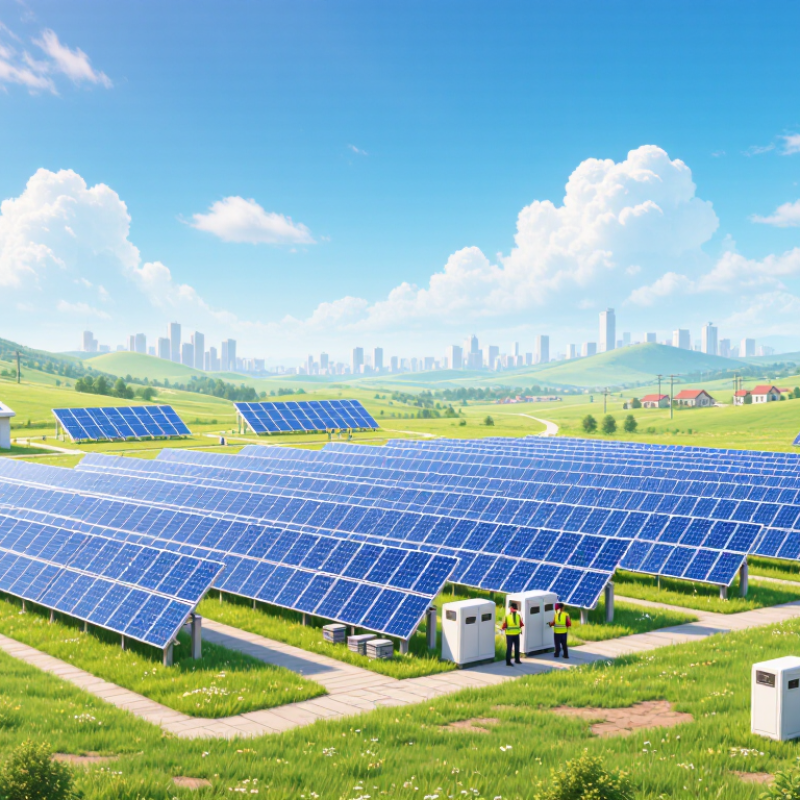
Solar power solutions are broader than solar panels. They describe an integrated set of technologies and services that convert sunlight into usable electricity. The scope may include photovoltaic modules, mounting structures, inverters, batteries, monitoring systems, installation, maintenance, and energy management.
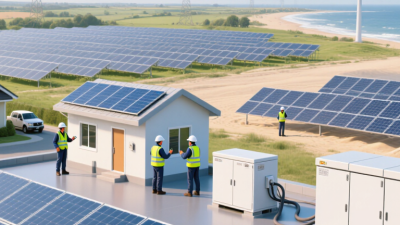
For global buyers, the definition also covers project design and local operating conditions. A rooftop system may serve a factory, while a utility-scale project can support regional grids. Remote communities may need solar arrays with battery storage and backup controls. Commercial buyers often require forecasting, performance guarantees, safety testing, and long-term maintenance. The solution is therefore a system, not a single product.
The market is expanding quickly. The International Renewable Energy Agency reported that global solar power capacity reached about 1,419 GW by the end of 2023. Solar added roughly 346 GW that year, making it the largest source of new renewable capacity. The IEA’s Renewables 2024 report also identifies solar PV as the main driver of renewable growth through 2030. These figures need careful reading. Different reports use different data periods, capacity definitions, and grid connection rules.
That distinction matters.
A low-cost panel may perform poorly without suitable inverters, storage, or installation planning. Buyers should examine the complete energy design, not only the equipment price. Real projects face dust, heat, shading, weak grids, and changing regulations. Standards help, but they do not remove every risk. A credible solution combines measured performance, qualified engineering, transparent warranties, and realistic yield estimates.
How Solar Power Systems Generate and Deliver Electricity
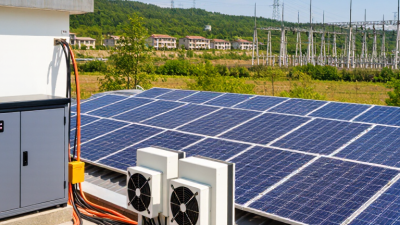
Solar power systems turn sunlight into usable electricity through a sequence of controlled steps. Photovoltaic cells absorb photons and create direct current (DC). Modules combine into arrays, often on rooftops or ground-mounted structures. An inverter then converts DC into alternating current (AC), which household appliances and commercial equipment can use. The electricity passes through switchgear, protection devices, and a transformer before reaching a building or the public grid.
The delivery path depends on the project design. A battery stores surplus daytime generation for evening demand. A grid-connected system exports excess electricity through a meter and imports power when production falls. In cloudy weather, output declines. High module temperatures can reduce performance too.
345.5 GW
IRENA’s Renewable Capacity Statistics 2024 reported solar capacity added globally in 2023.
1,419 GW
Total installed solar capacity reached about this level.
These figures show rapid deployment, but they do not guarantee equal energy yields everywhere. Location still matters greatly.
Tips: Check the system’s annual energy estimate, not only its peak capacity. Ask for assumptions on sunlight, shading, temperature, battery losses, and inverter efficiency. A 500-kilowatt system may produce very different results in deserts, cities, or humid regions. Request measured performance data from comparable climates. Datasheets help, but real sites are messier. That deserves careful questioning.
Key Components and System Types for Global Buyers
What Is Solar Power Solutions for Global Buyers?
Solar power solutions combine photovoltaic modules, inverters, mounting structures, protection devices, monitoring tools, and batteries. The correct design depends on local sunlight, roof conditions, grid rules, and energy demand. IRENA’s Renewable Capacity Statistics 2025 reported about 1,865 GW of global solar capacity by the end of 2024. This growth shows strong market confidence, but equipment selection still requires careful technical review.
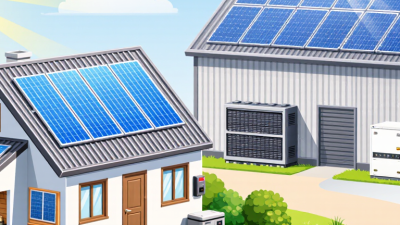
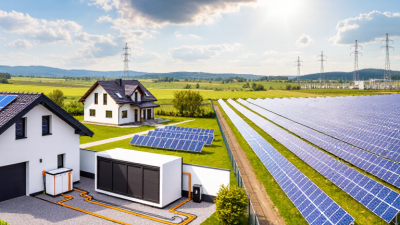
Grid-tied systems suit factories, offices, and homes with reliable utility service. They reduce daytime electricity purchases but usually need grid-compliant inverters. Off-grid systems use batteries for remote sites, including farms, islands, and emergency facilities. Hybrid systems combine solar, storage, and grid power. They offer flexibility, though battery replacement costs can be underestimated. Key checks include battery chemistry, usable capacity, inverter efficiency, surge protection, and temperature performance. A system that works well in a cool warehouse may struggle in a hot, dusty location.
Tips: Ask suppliers for verified test reports, local grid approvals, degradation assumptions, and installation drawings. Compare total operating cost, not only the initial quotation. The International Energy Agency’s Renewables 2024 report expects solar photovoltaic power to remain the largest source of new renewable capacity through 2030. That forecast is encouraging. Still, every project has weaknesses. Shipping delays, weak after-sales support, or poor roof surveys can reduce real-world returns. A smaller system with reliable maintenance may outperform a larger system on paper.
What Is Solar Power Solutions for Global Buyers?
Key components and system types influence procurement cost, replacement planning, energy availability, and long-term project performance.
Grid-Tied Systems
PV modules, inverters, mounting structures, and grid protection equipment. Batteries are optional.
Hybrid Systems
Combines solar generation, grid or generator backup, battery storage, and an energy-management system.
Off-Grid Systems
Uses solar modules, batteries, charge control, and backup generation where grid access is limited or unavailable.
The chart shows typical service-life planning ranges used in solar procurement. Actual life depends on climate, operating cycles, maintenance, installation quality, and product specifications.
Global Standards, Installation, Maintenance, and Risk Factors
What Is Solar Power Solutions for Global Buyers?
Global buyers should treat standards as a design requirement, not a certificate collected at the end. Electrical safety, grid connection, fire protection, and product testing rules vary by market. IEC references may guide a project, while local authorities can require additional inspections. Request current test reports, wiring diagrams, protection settings, and material traceability. Paperwork matters.
During installation, the roof or ground area needs a measured survey. Engineers should check shading, wind loads, drainage, cable routes, and access for maintenance. An installation that looks neat may still hide poor connectors or undersized protection. Commissioning should include insulation tests, grounding checks, performance baselines, and clear handover records. Photos help. Maintenance plans should state cleaning intervals, inspection points, response times, and spare-part responsibilities.
Remote monitoring can reveal falling output, but alarms still need human review. Rain, dust, salt air, heat, theft, currency changes, and delayed permits can affect returns. Insurance and warranties need careful reading, especially for transportation damage and installation faults. I have learned that optimistic production estimates deserve a second calculation. Weather is less obedient than spreadsheets. Not every risk is technical. A reliable buyer also checks installer training, local service capacity, contract language, and realistic replacement timelines before approving the project.