Choosing a solar system for a business in 2026 starts with a closer look at how the site uses electricity. A warehouse may draw power steadily during daylight, while a restaurant can face sharp evening peaks. Those patterns matter more than roof size alone. Start with twelve months of utility bills, interval data where available, and a clear record of operating hours. Small details count. A refrigeration unit running overnight can change the case for battery storage.
The right design should match energy demand, roof or land conditions, connection limits, and budget—not a sales brochure’s largest output estimate. Compare proposals by the amount of solar power electricity they expect to deliver, along with equipment specifications, maintenance needs, and warranty terms. Ask how shading, roof age, and future expansion affect the forecast. Get assessments from multiple qualified installers, and check references from businesses with similar energy use. Financing and local incentives can affect payback, but terms vary by location; verify them with current, authoritative sources. Storage is not automatically worthwhile. Model it against demand charges, outage priorities, and actual utility rates.
In 2026, software can make forecasts look precise, yet site conditions still surprise people. A promising estimate is only a starting point. Review assumptions, request a written scope, and ask who will monitor performance after installation. Some figures will remain uncertain. That is normal, but they should be visible before you commit. The best choice is a system your team can operate, maintain, and evaluate over time—not simply the one with the lowest quoted price.
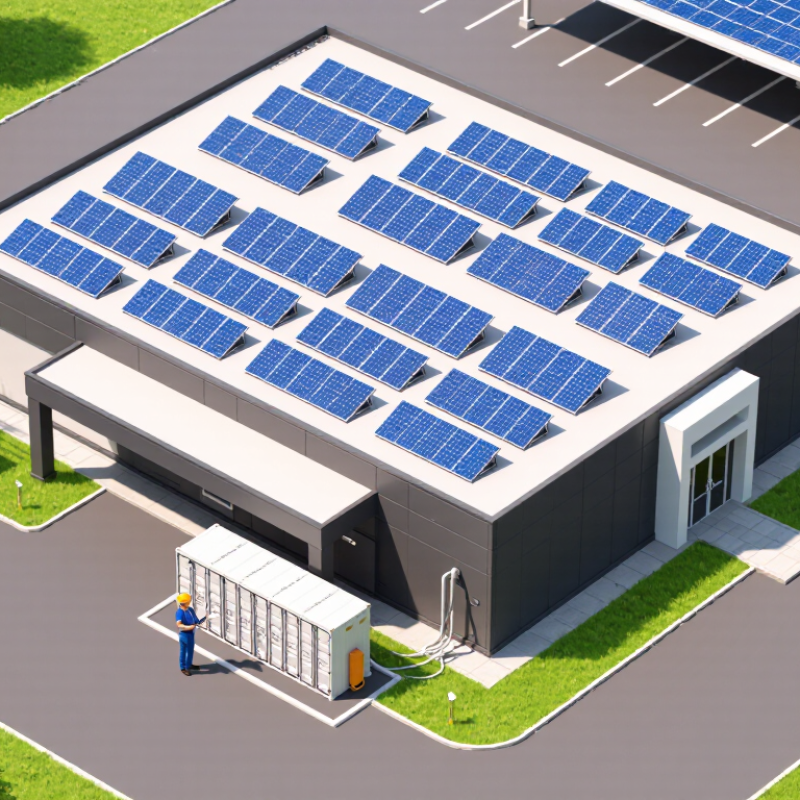
Before comparing solar system sizes in 2026, map a business’s electricity use by hour and season. Gather at least 12 months of utility bills, plus interval-meter data where available. Note equipment schedules, weekend operations, and planned expansions; a new refrigeration line can change the load profile quickly. The U.S. Energy Information Administration’s 2018 Commercial Buildings Energy Consumption Survey reported that commercial buildings used 6.8 quadrillion Btu, with electricity accounting for 56% of building energy use. Averages hide important differences. Measure before sizing. One unusual month can still distort the picture, so compare bills with operating records.
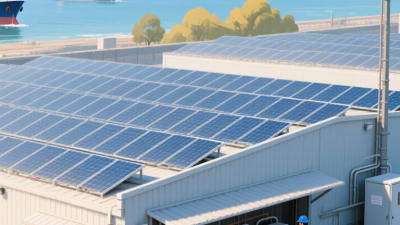
Then inspect the site itself. Record usable roof area, orientation, tilt, nearby trees, rooftop equipment, and areas shaded at different times of day. Check roof age and structural capacity before assuming every open section can hold panels. NREL’s 2021 assessment estimated 1,118 gigawatts of rooftop solar technical potential across the United States, but that national estimate is not a forecast for any single property. Local weather, shading, roof constraints, and utility connection capacity affect actual output. Ask a qualified solar professional to model site-specific production and compare it with the business’s daytime demand. The first estimate may need revision.
Choosing a business solar system starts with how the site uses electricity. A grid-tied system connects rooftop panels to the utility and usually suits offices, shops, and warehouses with daytime demand. It can reduce grid purchases, but it normally shuts down during an outage unless designed with backup equipment. That detail surprises some owners.
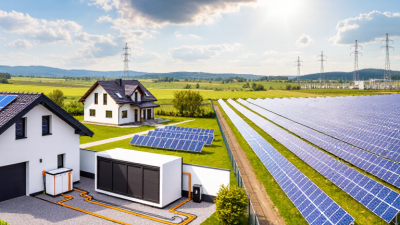
A hybrid system adds batteries, allowing selected loads—such as a server rack, security lights, or refrigeration—to keep running when the grid fails. Battery capacity should match the backup hours and equipment, not simply the building’s total consumption. An off-grid system operates without a utility connection. It may fit a remote site, but needs careful sizing for cloudy periods and seasonal demand. It can be costly to oversize.
Components matter as much as system type. Panels convert sunlight into electricity; inverters convert it into usable power and may manage battery charging. Mounting hardware must suit the roof’s condition, slope, and wind exposure. Protection devices and monitoring equipment help identify faults and track production. Review interval data from utility bills, roof inspection findings, and outage history before comparing proposals. A shaded rooftop corner or a short evening peak can change the design. Estimates still rely on assumptions, so ask how performance and battery life were calculated.
Comparing representative commercial solar module technologies by typical module efficiency. Higher efficiency can help where roof space is limited; project output also depends on orientation, shading, temperature, and system design.
The colored bars show representative efficiency ranges, not guaranteed product specifications. Compare current module datasheets and whole-system costs before choosing a business installation.
For a business, the quoted system price is only the starting point. Ask for an itemized estimate covering panels, inverters, electrical upgrades, permits, interconnection, and battery storage. Compare expected annual production with your actual bills, including demand charges and time-of-use rates. A warehouse with a hot afternoon peak may value storage differently from an office that closes at five. Small details matter.
Model total cost over the system’s useful life, not just the first-year payment. Include maintenance, inverter replacement assumptions, insurance, financing fees, and likely utility-rate changes. Request conservative, expected, and high-production scenarios; weather and shading make forecasts uncertain. Forecasts miss. Incentives vary by location, project structure, and eligibility, and rules may change in 2026. Check current rules with official tax and energy agencies. Have a qualified tax professional review eligibility before counting any benefit.
Compare a cash purchase, business loan, lease, and power-purchase agreement using the same assumptions. A loan may preserve ownership and potential incentives, but adds debt and interest. A lease or agreement can reduce upfront spending, yet may limit control over equipment and future site changes. Read escalation clauses, buyout terms, maintenance duties, and transfer conditions carefully. Ask for monthly cash flow beside projected savings, not just a payback figure. If the numbers only work under perfect production, pause and revise them.
Business solar sizing should start with interval electricity data, not roof area. Review at least 12 months of bills, then compare hourly demand with expected solar production. A warehouse may consume heavily during sunny shifts; a restaurant may peak after sunset. Real loads vary.
Model production using local weather, roof direction, shading, and equipment losses. NREL’s PVWatts documentation uses a 14% default system-loss assumption for standard estimates; actual sites may differ.
A clean annual total can still mislead if it hides weekday peaks or seasonal downtime. That deserves a second look.
For installation, compare rooftop arrays with parking canopies or ground-mounted systems. Roofs can use existing space, but older structures may need reinforcement or roof work first. Canopies offer shade and avoid some roof constraints, yet require foundations and clear vehicle access. Ask installers to show production assumptions, structural findings, and expected maintenance access before comparing proposals.
In 2026, check an installer’s credentials before comparing solar quotes. Confirm the electrical license, insurance, and relevant certifications directly with the issuing organizations. Ask who will design, permit, install, and service the system; subcontracting is not automatically a problem, but unclear responsibility is. A polished proposal can still miss a roof detail. Verify that the design addresses your roof’s age, electrical capacity, and the site’s applicable building, fire, and electrical requirements, plus utility interconnection rules.
Tips: Request a sample commissioning report and two recent commercial references. Ask directly who handles warranty claims if the installer closes. Get answers in writing.
Read warranties line by line. Separate equipment coverage from workmanship, roof-penetration, and performance guarantees; check labor, shipping, exclusions, transfer terms, and claim deadlines. A long warranty is not proof of dependable service. A 2013 NREL-led review of nearly 2,000 photovoltaic degradation rates found a median decline of about 0.5% per year. That figure is a fleet-level finding, not a promise for your site. Use it to frame performance discussions, then ask for expected output, assumptions, and remedies if results fall short. Keep permits, inspection records, single-line diagrams, and commissioning documents together for future maintenance.