
What Are the Best Solar Power Systems?
Choosing among solar power systems starts with a practical question: what do you need electricity to do? A grid-connected system can lower daytime electricity use, while a battery-equipped setup can store surplus power for evening use or some outages. Off-grid systems serve homes without a dependable utility connection, but they require careful planning and enough storage. There is no single best choice for every roof, budget, or household.
The details matter. A chimney’s shadow, a north-facing roof, or a month of higher-than-usual energy use can change expected output. Before comparing prices, review recent electricity bills, roof condition, local sunlight, and any plans to add an electric vehicle or heat pump. Ask for an estimate that shows system size, expected annual production, battery capacity, equipment warranties, and assumptions about shading. Small print counts.
A useful comparison also looks beyond panel brands. Inverter type, installation quality, monitoring tools, and available service can affect how a system performs over time. Battery storage may provide flexibility, but it adds cost and may not suit every home. Claims of guaranteed savings deserve careful checking; actual results depend on energy use, weather, utility rates, and system design. It depends.
This guide explains how common system types differ and what questions to ask before accepting a quote. The strongest option is the one that fits your needs, has clear performance assumptions, and can be maintained reliably—not simply the one with the biggest panel count. Choices can be imperfect. Review the trade-offs before deciding.
How Solar Power Systems Work
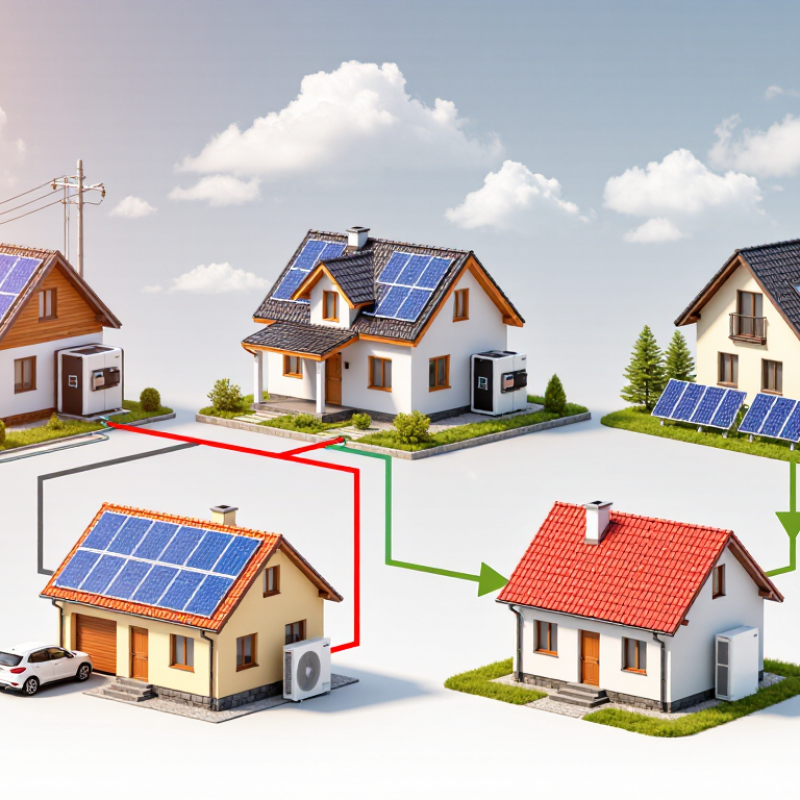
Solar panels turn sunlight into direct-current electricity. Each panel contains photovoltaic cells that release electrons when light reaches them. Wires carry this power to an inverter, which converts it into alternating current for household appliances. A refrigerator can then use it like electricity from the grid. The process sounds tidy; real roofs rarely are.
During the day, a home may use solar electricity as it is produced. Extra power can flow to the grid or charge a battery, depending on the system. After sunset, a battery may supply stored energy; without one, the home usually draws power from the grid. A meter tracks electricity moving in both directions where the local setup supports it. Clouds, shade, roof angle, and seasonal daylight all affect output. A small shadow across several cells can matter more than expected. System estimates are useful, but they cannot predict every cloudy week.
Tips: Check your roof’s shade at different times of day. Ask a qualified installer to explain expected output, battery limits, and what happens during a grid outage. Compare estimates with your recent electricity bills. Leave room for uncertainty; the first projection may need revisiting.
What Are the Best Solar Power Systems? - How Solar Power Systems Work
| System type | Main components | How it works | Battery storage | Power during a grid outage | Often best suited for | Key consideration |
|---|---|---|---|---|---|---|
| Grid-tied solar | Solar panels, grid-connected inverter, electrical protection equipment | Panels produce direct-current (DC) electricity. The inverter converts it to alternating current (AC) for household use. Surplus electricity may be exported to the grid where local rules allow. | Usually not included | Typically no. Standard grid-tied inverters shut down when the grid fails to help protect utility workers and equipment. | Homes connected to a reliable electricity grid that want to reduce grid electricity use. | Without a battery or other approved backup arrangement, solar panels alone generally do not keep a home powered during an outage. |
| Hybrid solar | Solar panels, hybrid inverter, battery, grid connection, electrical protection equipment | The inverter manages power from the panels, battery, home, and grid. Solar electricity can run household loads, charge the battery, or be exported when permitted. | Included or designed to support one | Can supply selected circuits or loads if the system has suitable backup capability and the battery has available charge. | Homes seeking both grid-connected solar and backup power, or more control over when stored energy is used. | Backup performance depends on inverter capacity, battery capacity, system configuration, and which circuits are connected. |
| Off-grid solar | Solar panels, charge controller or inverter-charger, battery bank, and often a backup generator | Panels generate electricity for immediate use and charge the batteries. Stored energy supplies loads when solar production is insufficient. | Essential for supplying power when sunlight is unavailable | There is no utility grid connection to rely on. Backup depends on system sizing, stored energy, and any generator included. | Remote properties or sites without a practical grid connection. | Equipment must be sized for seasonal solar conditions and expected loads; a generator may be useful during extended low-sun periods. |
| Grid-tied solar with microinverters | Solar panels, a small inverter at or near each panel, grid connection, electrical protection equipment | Each microinverter converts its panel's DC electricity to AC. Panel-level conversion can help limit the effect of shading or a panel operating differently from others. | Usually not included; compatible storage may be added with suitable equipment | Typically no, unless a compatible backup system is installed. | Roofs with multiple orientations, partial shading, or a preference for panel-level monitoring. | System performance and outage operation depend on the installed equipment and design; microinverters do not automatically provide backup power. |
How to choose: The best system depends on grid access, electricity use, roof conditions, local export rules, and whether backup power is needed. Solar panels produce DC electricity; an inverter converts it to AC electricity used by most household appliances.
Related Posts
-
What Are the Top Solar Power Systems?
-
How to Choose Solar Power Systems with Battery Storage?
-
Why Choose Solar Power Solutions for Your Business?
-
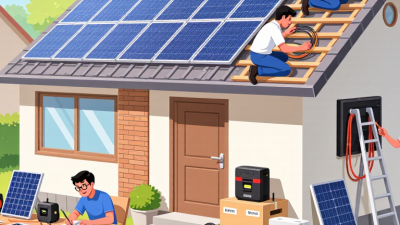
How to Choose the Best Solar System Provider?
-
Maximizing Energy Independence with Solar Power Systems and Battery Storage in 2024
-
7 Best Solar Power Solutions for Global Buyers?