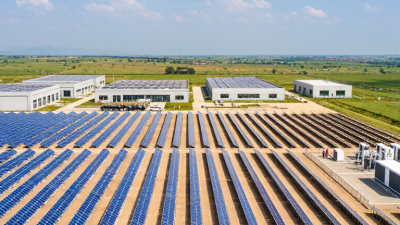
Why Choose Solar Power Solutions for Your Business?
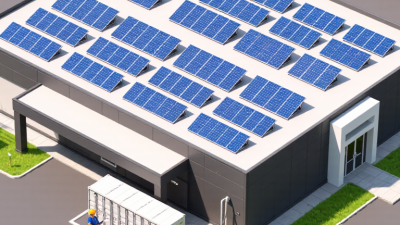
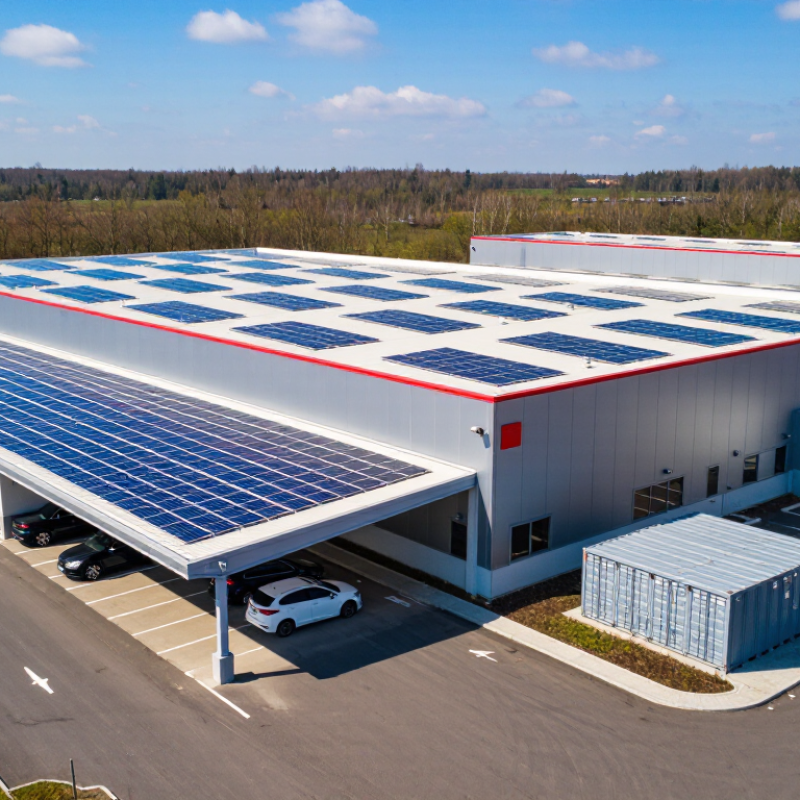
Choosing solar power for a business is a practical investment decision, not just a sustainability statement. Rooftop panels above a warehouse, a carport array, or a battery beside the loading dock can help reduce exposure to grid-price changes. But the right design depends on the site, operating hours, utility rates, and available roof space.
The market is growing quickly. The International Energy Agency’s Renewables 2024 report estimates that global solar PV additions reached about 420 gigawatts in 2023. IRENA’s Renewable Power Generation Costs in 2023 report found that the global weighted-average cost of electricity from new utility-scale solar PV fell 12% that year. These figures show momentum, not a guaranteed return for every business. A local energy assessment should examine bills, demand charges, shading, and connection costs. Small details matter.
Businesses searching for “power solutions solar” should compare system proposals using clear assumptions: expected production, equipment warranties, maintenance, and payback estimates. Ask how performance may change during cloudy months, and whether battery storage fits your actual load profile. A sunny roof helps, but it does not settle the economics. The spreadsheet never tells the whole story; I would treat any precise savings promise with healthy skepticism until the site data supports it. Solar can be a strong fit, but only when the design matches how the business uses power.
What Solar Power Solutions Include for Businesses
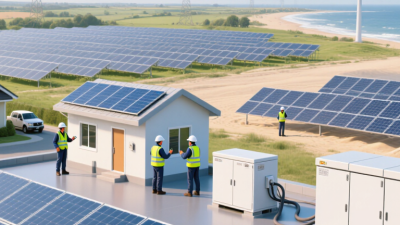
A business solar solution starts with a site assessment, not a panel count. A qualified installer reviews roof condition, shading, electrical capacity, and recent utility bills. These details help estimate how much energy a system may produce. Estimates are not guarantees; weather, equipment, and operating hours can change actual results.
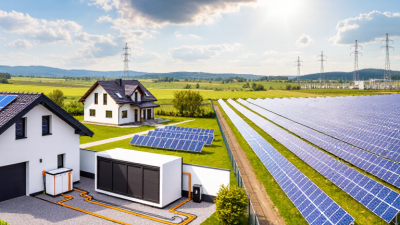
The core system typically includes solar panels, mounting hardware, an inverter, wiring, and safety equipment. The inverter converts panel output into electricity a business can use. A monitoring platform can show production and system alerts, often through a computer or phone. Some businesses add battery storage to use more solar power after sunset or during outages. Others include EV chargers or controls that shift certain operations to sunny hours. More equipment is not always better. It should match real needs.
A complete service may also cover design, permits, installation, grid connection, commissioning, and maintenance planning. Commissioning checks that the system operates as designed before regular use begins. Ask how performance will be monitored and who responds if output falls. Dust on panels can matter. So can an aging roof or a change in business hours. Reviewing these factors early makes the proposal more useful and helps avoid surprises after installation.
How Commercial Solar Systems Generate and Deliver Electricity
Why Choose Solar Power Solutions for Your Business?
How Commercial Solar Systems Generate and Deliver Electricity
Commercial solar panels convert sunlight into direct-current electricity. An inverter changes it to alternating current, which can serve lighting, computers, refrigeration, and other building loads. A meter tracks electricity moving between the building and the utility grid. When panels produce less than the site needs, the grid can supply the difference. When they produce more, the surplus may be exported or stored, depending on the system design.
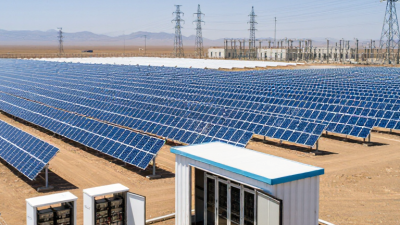
Output changes with sunlight, roof direction, shade, and weather. That matters. The IEA PVPS Snapshot of Global PV Markets 2024 estimated that roughly 447 gigawatts of solar photovoltaic capacity was installed worldwide in 2023, bringing cumulative capacity to about 1.6 terawatts. These figures show rapid deployment, but they do not predict a particular business’s savings. A shaded roof at 3 p.m. behaves differently from a clear, south-facing one. That detail is easy to overlook.
Tips: Review interval electricity bills and roof shading before sizing a system. Ask how the inverter, monitoring equipment, and grid connection work together. Compare expected hourly production with your operating hours; annual totals alone can hide mismatches. A careful estimate may still miss future changes in demand.
How Solar Power Can Reduce Business Energy Costs
For many businesses, electricity costs rise when operations run during peak daytime hours.
Solar panels can offset part of that use by producing power while the building is active. A bakery’s ovens, a warehouse’s ventilation, or an office’s cooling system may consume substantial electricity before sunset. Timing matters. The closer solar production matches a company’s demand, the more useful each kilowatt-hour can be. This can reduce the amount of power purchased from the grid, though savings depend on local rates, system size, and actual usage.
A careful cost review should start with twelve months of utility bills, not a sales estimate alone. Look for seasonal peaks, demand charges, and how much electricity the business uses during sunny hours. A site with a broad roof may suit panels; another may need a carport or a smaller installation. Batteries can shift some solar energy into evening hours, but they add upfront cost and are not always financially sensible. That is not automatic. Maintenance, financing, roof repairs, and future electricity prices also affect payback. It is easy to focus on the monthly bill and miss these details. A realistic proposal should show assumptions clearly, including what happens if energy use changes or production falls short.
Operational and Environmental Benefits of Business Solar
For many businesses, solar power can turn an unused roof into a practical energy asset. Panels generate electricity during daylight, which may offset demand from lighting, refrigeration, pumps, or office equipment. This can reduce exposure to changing grid prices, though savings depend on local rates, system design, and when your business uses power. A warehouse running compressors at noon may use more solar electricity directly than a shop busiest after sunset. The difference matters.
Solar can also lower operational emissions by replacing some electricity from fossil-fuel-heavy grids. Results vary by region and season, so a panel count alone does not prove environmental impact. Ask a qualified installer to assess roof condition, shading, electrical capacity, and maintenance needs. Batteries can store surplus power, but they add cost and are not automatically worthwhile. There are trade-offs. A roof replacement or changed production schedule can alter the calculation, and estimates may miss real-world quirks.
Tips: Compare projected output with at least a year of utility bills and your busiest operating hours. Check who will monitor performance and arrange repairs. Review the assumptions carefully; small details, like afternoon shade from a new building, can affect results.
Key Factors to Assess Before Choosing a Solar Solution
A business should assess its electricity use before comparing solar proposals. Review at least a year of utility bills, including seasonal peaks and demand charges. A warehouse running refrigeration overnight has different needs from an office busiest at midday. Match expected solar production to when your equipment actually uses power. Good estimates depend on local sunlight, roof orientation, shade, and system losses.
Check the roof’s age, structure, and usable area before planning installation. Replacing a roof soon can complicate timing and add costs. Ask how the design handles cloudy periods, outages, and future changes in electricity use. Battery storage may help with specific operating needs, but it also adds expense and maintenance. Compare total costs, financing terms, expected savings, and warranty coverage using clear assumptions. Forecasts are estimates, not promises; that distinction is easy to overlook.
Tips: Request an itemized proposal and a site-specific production estimate. Ask who will monitor performance and arrange repairs. Keep a copy of the assumptions. Revisit them when your operating hours change.